When we designed the stomp rocket project at TheWorkshop, our teachers spent almost 16 hours figuring out the right materials.
Not building the prototype. That part wasn't particularly difficult.
The real challenge was the paper rocket itself. Should we use newspaper, cardstock or cardboard? Which material would fly well? Which would be easy for children to work with? And, importantly, how could we make the project affordable enough to repeat with a class of 40 children, without compromising the learning experience?
These are the questions that went into designing what, at first glance, looks like a simple DIY activity.
And then came the launches. Watching a paper rocket shoot into the sky, sometimes travelling 100 feet or more, brought out those wonderful AHA and WOW moments in children.
But the launch was only the beginning.
When the rocket becomes a science lesson
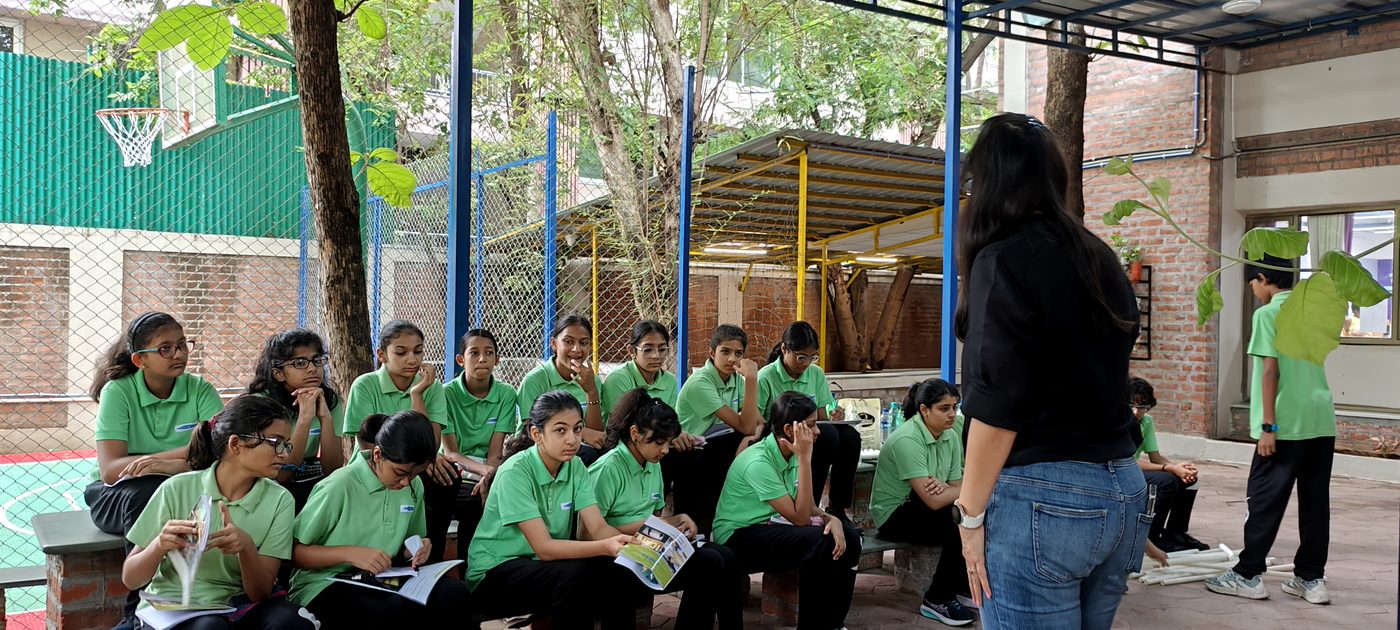
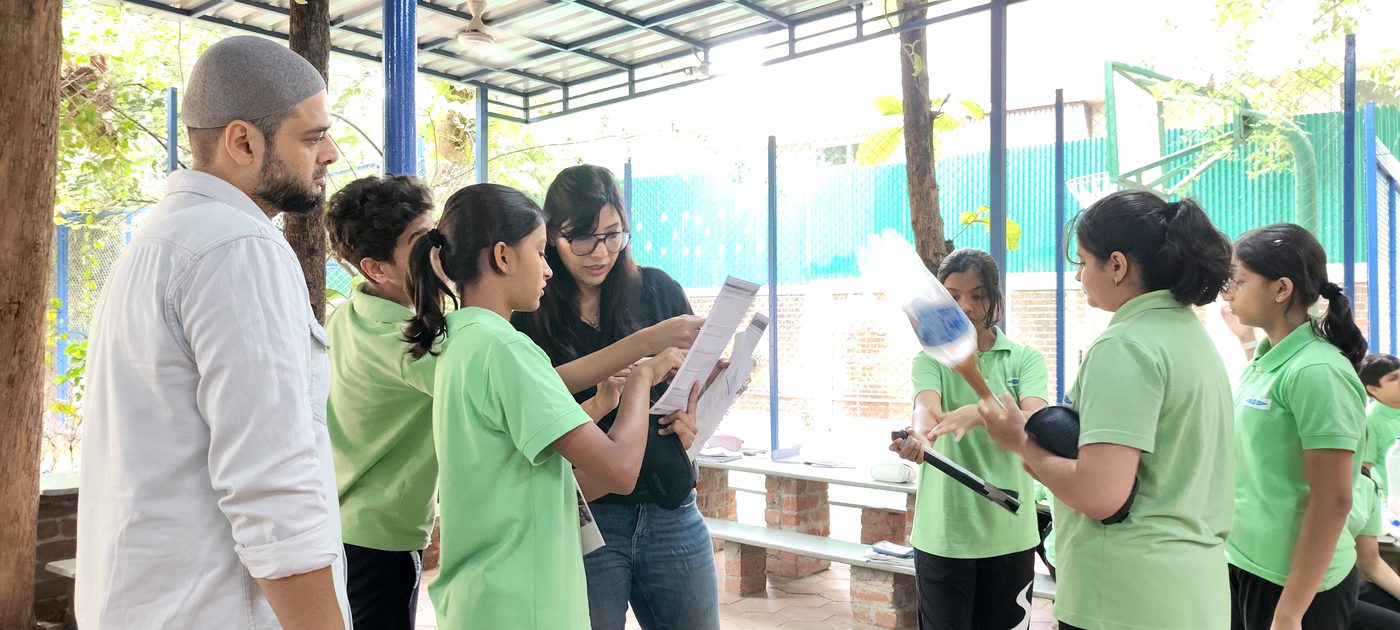
When we conducted this project with Class 7 students at Riverside School, we added another challenge.
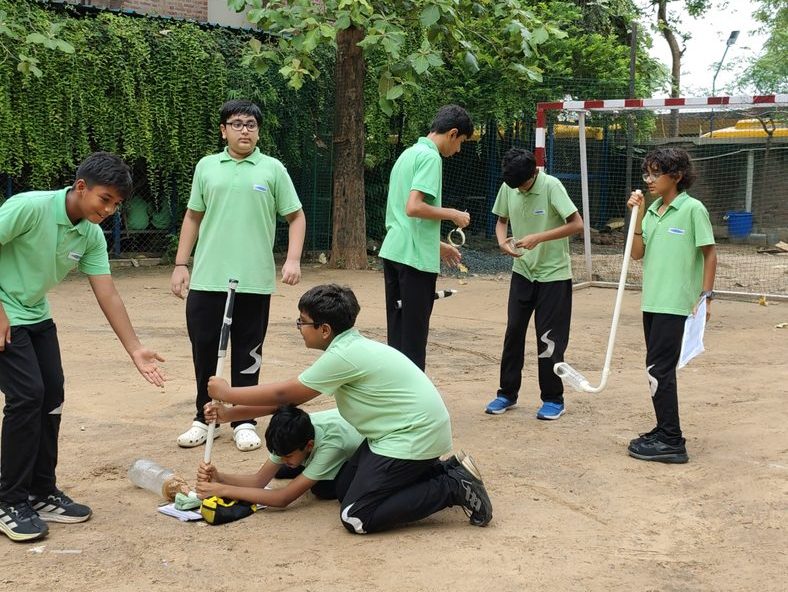
This time, the students had to design their own launchers. They were given soda bottles of different sizes — 1 litre and 2 litres — along with PVC pipes. They had a real-time deadline and had to figure out how to make the most of the materials available.
Suddenly, this wasn't just about making a paper rocket.
It was about understanding what makes it fly.
The air compressed inside the bottle provides the push that sends the rocket upwards. Gravity pulls it back down. The rocket's mass, shape and the air resistance it experiences all affect its flight.
Children could explore these concepts by changing their designs, observing what happened and asking why.
And that brings us to something important about learning science: it isn't enough to know the explanation. Children need opportunities to investigate whether their ideas hold up.
What happens when the materials aren't the same?
One team might have two 1-litre bottles. Another might have a different combination of materials.
You could almost hear the questions: Why do they have that? How are we supposed to build ours? Will our design work?
But this is an engineering challenge, too.
In the real world, we don't always get our preferred materials, unlimited time or the budget we would like. An idea might be excellent on paper, but can we actually build it within the constraints we have?
Children have to make choices, rethink designs and find alternatives. They begin to understand that engineering isn't just about having a great idea. It is about finding a workable solution with the resources available.
And who is doing what in the team?
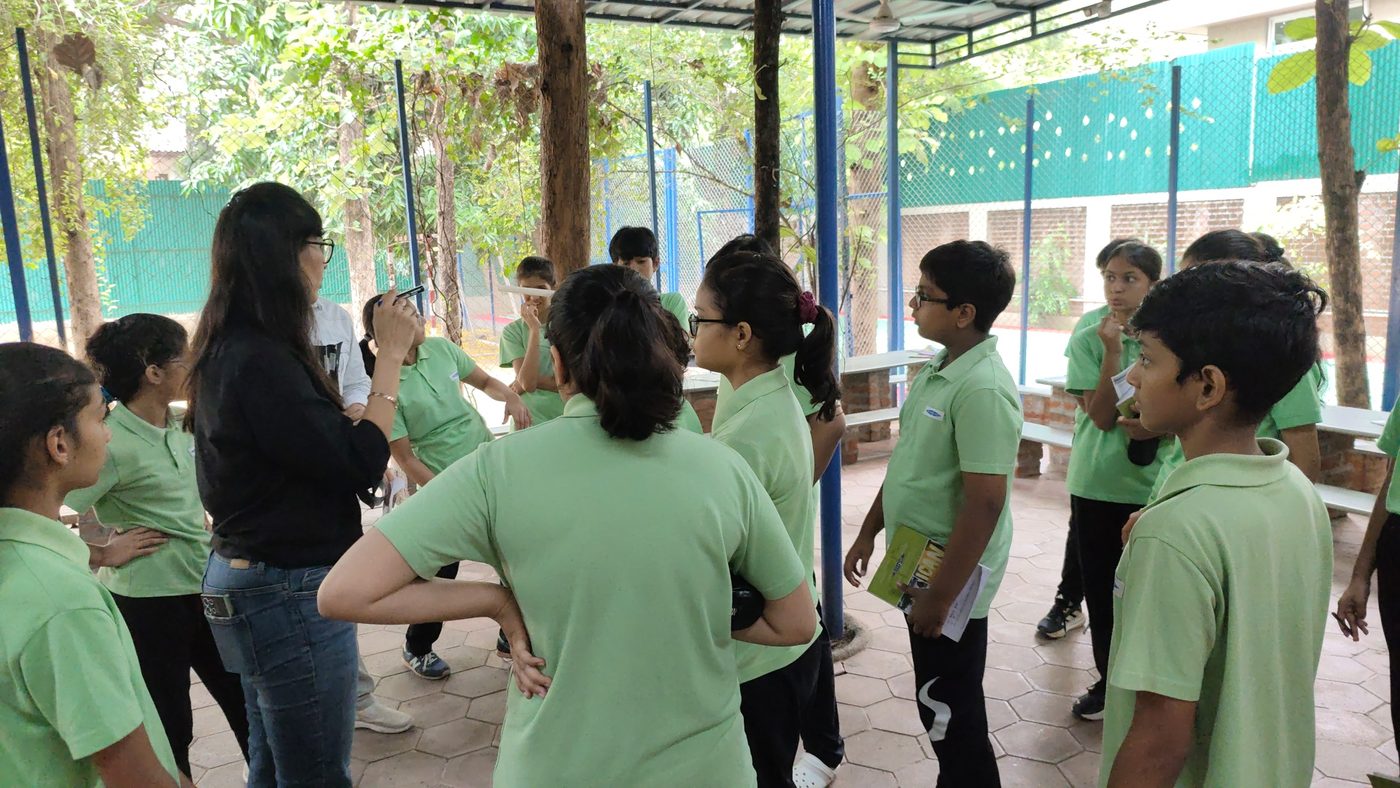
In one team, two children might focus on designing and making the rocket, while the other two prepare the launcher. Someone has to keep an eye on the time. Everyone needs to contribute, and the pieces have to come together before the deadline.
These responsibilities aren't separate from the learning. They are part of it.
Children experience what it takes to work towards a shared outcome, divide responsibilities and make decisions together.
The science of a fair test
Here's another opportunity hidden in that flying rocket.
Suppose a child wants to investigate whether the mass of a rocket affects how it flies.
Changing the rocket's mass, shape, launch angle and the force of the launch all at once won't tell us which factor caused the difference.
To investigate mass, the child needs to change the mass while keeping other important conditions as consistent as possible. They can repeat the tests, record the results and compare what happens.
They may discover that their original prediction was wrong. That's perfectly fine. The evidence matters more than proving themselves right.
And a useful scientific discussion follows: gravity pulls objects towards the Earth, but a heavier rocket doesn't automatically fall faster. Air resistance, shape and other factors influence what we observe.
This is what scientific thinking looks like in practice — asking a question, identifying what to test, collecting evidence and drawing conclusions from the results.
So, is it really about the DIY?
Of course, there is magic in seeing something you made fly 100 feet into the air. Especially when it is built from simple, inexpensive materials.
But for us at TheWorkshop, the DIY is the starting point, not the destination.
What matters is what children do with the experience. Do they ask questions? Can they explain why something happened? Can they test an idea instead of simply accepting an answer? Can they work within constraints, learn from an unsuccessful attempt and improve their design?
These are the capabilities we want to nurture.
Because children will encounter many problems in life for which nobody has given them a set of instructions. They will need to think, experiment, collaborate and make decisions with the information available to them.
A paper rocket won't teach them all of that in one session. But a thoughtfully designed project can give them a chance to practise these habits.
And perhaps that is the most valuable thing about hands-on STEM learning.
The rocket may be what children remember. But the thinking they do to make it fly is what we really want them to take away.
Projects like this are built into every EduLab cycle.
The stomp rocket is one example of how we design experiential, grade-appropriate STEM projects — real constraints, real teamwork, real testing — for your classroom. See how a school partnership is structured, from a pilot to full curriculum integration.
See how EduLab works →